
Aotearoa: Green hydrogen technology

energy hero 2

GNS Science is on a mission to help deliver a sustainable, zero-carbon energy future for Aotearoa and meet the country’s goal of net zero emissions by 2050.

Overview

This programme explores further ways to create and implement green hydrogen | hauwai kākāriki as a clean energy source for households, transport and industry.

This programme aims to

  • enable distributed production of hauwai kākāriki from non-pure water (e.g. seawater and wastewater)
  • look at other ways to produce hauwai kākāriki that aren’t based on current electrolyser technology
  • place a strong focus on capability development, and Māori technical capability development in particular

To achieve these aims, we will

  • continue to design and develop materials, tools and technologies
  • work with collaborators to facilitate grants, scholarships and placements to develop skills in the hauwai kākāriki industry – to ensure that qualified people are available to fill the jobs that will be created as the industry grows

The project

Powering up New Zealand’s clean energy future

Hauwai kākāriki can play a key role in a more sustainable, carbon-neutral future for the planet and GNS Science is researching new ways to create, transport and store this valuable energy source.

The Aotearoa: Green Hydrogen Technology programme is funded by the Advanced Energy Technology Platform of the Ministry of Business, Innovation and Employment’s Strategic Science Investment Fund.

The programme complements the GNS-led Endeavour-funded programme, Powering NZ’s Green Hydrogen Economy, which is working to make the hydrogen production process more efficient and less expensive.

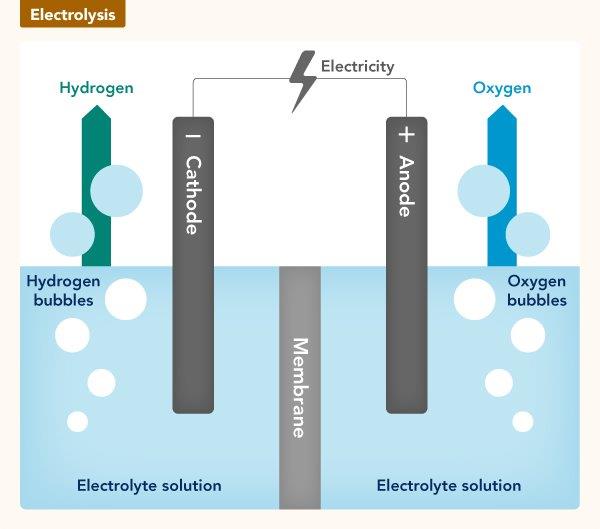
We are looking at ways to make the production of hauwai kākāriki more accessible. Currently the most common way to make hauwai kākāriki is through electrocatalysis, using an electrolyser to split water (H2O) into hydrogen and oxygen, which relies on pure water. However, this programme will look at using ‘non pure’ water such as wastewater and seawater in the catalysis process.

We are also investigating other methods of creating green hydrogen, such as:

  • using sunlight to split water (direct sunlight photocatalysis)
  • using high-energy plasma to split water (plasma catalysis)

We are working on making these methods more efficient, more selective (so they only produce hydrogen and oxygen), and more durable.

A Car That Runs On Just Sunlight + Water...!?

An intro to green hydrogen technology

EF 6 Electrolysis p01 v01
Electrolysis diagram

Building capability in the hydrogen industry

Another goal is to build capability by training engineers, scientists and technicians who can help scale up the hydrogen industry.

The AETP funding will include grants, scholarships and placements to develop skills in the hauwai kākāriki industry – to ensure that qualified people are available to fill the jobs that will be created as the industry grows.

There is a particular focus on partnerships with iwi and wānanga, to support the learning and development of rangatahi Māori in the energy sector.

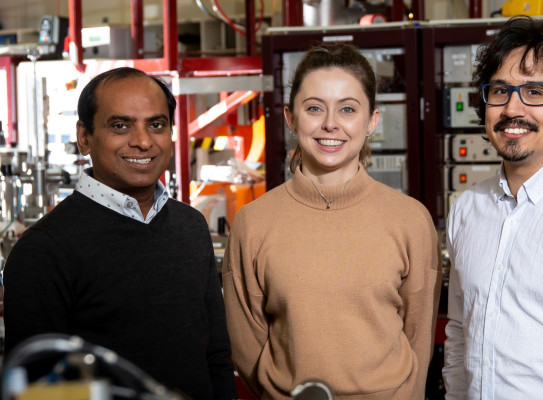
Programme lead Dr John Kennedy says the opportunities in hydrogen are enormous.

“New Zealand has a chance to be a world-leader in the production and export of green hydrogen – shifting us from an importer to an exporter of energy.

“We’ll be working with partners from across New Zealand and around the world, developing our industry capability and creating innovative solutions which will lead to a globally-connected green hydrogen economy.”

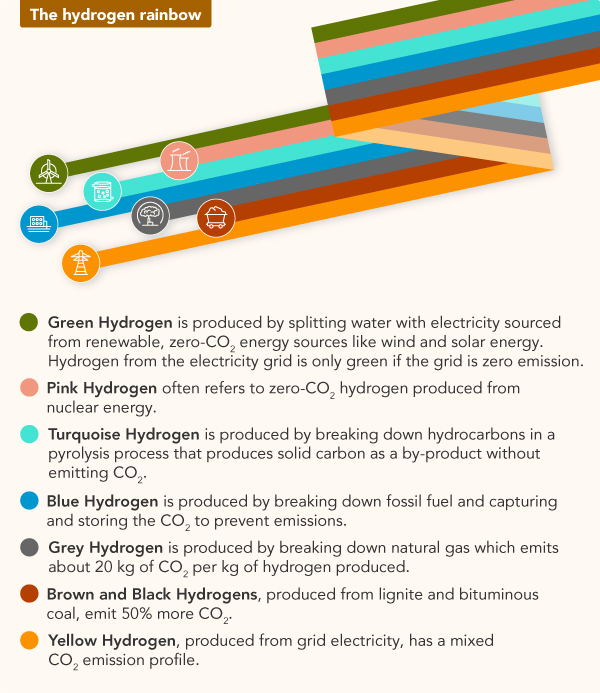
EF 7 The hydrogen rainbow P01 V03
The hydrogen rainbow
Kennedy John 3098

John Kennedy Principal Scientist - Materials

View Bio

Dr. John V Kennedy is a material scientist whose work focusses on new materials development for low carbon energy technologies. His research explores new technological pathways for a sustainable zero carbon economy. He uses ion beam technologies pioneered by Lord Rutherford to develop functional materials and to provide key information about the materials structure-property relationship. The results are used across the materials science community for the design of a new product, surface engineering, catalytic materials for hydrogen production and storage, thermoelectric materials for waste heat to energy conversion, energy storage materials, magnetic materials and energy efficient systems. John is an Adjunct Professor at Victoria University of Wellington. He is the programme director for MBIE advanced Energy technology platform “Green Hydrogen Technology Platform” which aims to develop new clean technologies to produce hydrogen from non-pure water and develop a technological capability for Hydrogen in New Zealand. He is also Energy & Emissions platform leader of New Zealand Product Accelerator and Principal Investigator of the MacDiarmid Institute for Advanced Materials and Nanotechnology and Principal Investigator of the MBIE Endeavour funded Programme “Wirelessly Powered Transport Infrastructure for a Low-carbon Future”

Contact Me
Research project details

Collaborators: Victoria University of Wellington, the University of Auckland, Canterbury University, Otago University, The MacDiarmid Institute, Te Whare Wānanga o Awanuiārangi, Ara Ake, Venture Taranaki, industry and private companies

Duration

6 years

Funding platform

Strategic Science Investment Fund

Status

Current

Programme leader

Dr John Kennedy

Funder

Ministry of Business, Innovation & Employment (MBIE)

Find more content related to:

GNS Science topics

By continuing with this download you agree to abide by the rules laid out in the Terms and conditions/Terms of use listed on this page.

If there are no specific Terms and conditions/Terms of use listed then please refer to our Copyright and Disclaimer page and Privacy Policy page

Download