

PULSEPhysical processes UnderLying Slow Earthquakes
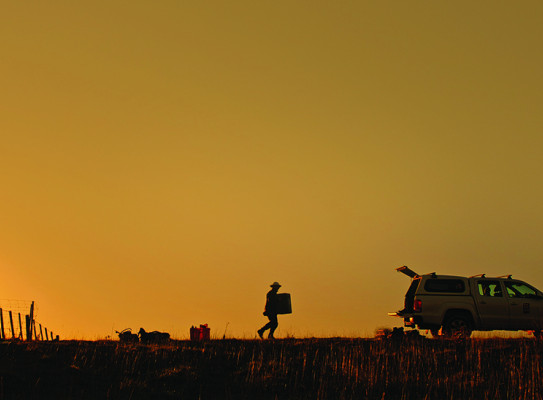
The PULSE project (Physical processes UnderLying Slow Earthquakes) is a GNS Science-led project that joins a range of other efforts to better understand earthquake hazard along the Hikurangi Subduction zone.
Overview
Researchers are seeking to better understand the ways plate tectonic stresses build up and are dissipated on the Hikurangi subduction zone, east of the North Island. The PULSE project (Physical processes UnderLying Slow Earthquakes) adds to our growing understanding of the physics of subduction systems and contributes to the understanding of earthquake and tsunami hazards in these areas.
Taking the PULSE of the Hikurangi subduction zone – The PULSE project is a GNS Science led project that joins a range of other efforts to better understand the Hikurangi Subduction zone. transcript
Over a couple of weeks, a team of around 10 scientists have deployed more than 50 instruments to record signals related to slow slip earthquakes.
The PULSE project is an important step towards better understanding earthquake hazard in New Zealand, and the subduction processes that are happening along the Hikurangi subduction zone along the East Coast.
The Porangahau region is particularly interesting because these slow slip events happen approximately every five years or so in this region.
The last event was triggered in 2016 and November after the Kaikoura earthquake.
And so we've been expecting that there would have been a slow slip sometime in 2021, about five years after 2016. The slow slip events themselves happen so slowly that they don't produce vibrations and ground shaking, and that means that we can't record them or know that they're happening with normal seismic instrumentation.
The only way that we've been able to observe them and map out where and when they happen is by deploying GPS equipment. So these are sensors that sit at the ground surface and record their position, and that can tell us how points on the earth surface are moving really slowly through time.
So while these sorts of events don't produce any noticeable ground shaking in themselves, they can produce and trigger small earthquakes.
So the other type of instruments that we can install are these seismometers, these earthquake recorders. We bury the sensors in the ground, and we leave them there for a few months, and they basically record any kinds of vibrations that travel through the crust.
When we record these small earthquake signals, we're able to do a much better job of telling where these earthquakes are happening. And that can tell us something about how these slow slip events are changing the state of stress in the crust and how they're triggering the seismicity.
These slow slip events do happen on other subduction zones around the world, but New Zealand and the Hikurangi in particular has really been a magnet for world leading science in terms of slow slip event understanding in recent years.
And this is because the Hikurangi is in a really unique setting to be so close and so shallow beneath our feet underneath the North Island.
And the observations that we make are much clearer then if we were trying to observe things much deeper down in the earth.
The type of fault motion that we see in these slow slip events is exactly the same as what we see in these large damaging tsunamigenic subduction zone earthquakes.
And so we want to try and understand that if the driving forces behind these two different slip modes, the slow slip and the damaging slip, - if the driving forces are the same, then can we use the much more frequent slow slip earthquakes to better understand how the fault is driven to failure.
And this deployment wouldn't have been possible without the generous help of many of the landowners along New Zealand's east coast. Thank you for letting us put one of these instruments on your land.
The project
Using GPS to measure “slow earthquakes
PULSE works to capture and understand slow slip events through recording and analysing geophysical signals associated with their occurrence. In slow slip events, energy is released over weeks to months, leading to them also being called “slow-motion earthquakes” or “silent earthquakes”. Unlike regular earthquakes, the slow slip events happen so slowly that they don't produce vibrations and ground shaking that can be captured using normal seismic instrumentation.
Instead, GPS sensors can be used to determine how points on the Earth’s surface slowly move through time. We can measure slow slip events offshore by using seafloor pressure sensors that can capture cm-level upward or downward movement of the seabed. Slow slip events can also trigger associated earthquakes, which are often abundant, but commonly too small to be felt. We map these earthquakes using sensitive seismometers that record tiny vibrations travelling through the ground. This can help us understand how slow earthquakes are linked to other seismic phenomena and the processes that drive them.
What is a Slow Slip Event?
Explanation of slow slip earthquakes associated with New Zealand's Hikurangi Subduction Zone.
A large area of study
The project focuses on an area near Cape Turnagain and Pōrangahau on the East Coast where slow slip events happen roughly every five years. Over 80 instruments have been installed onshore and offshore to capture crustal deformation and seismicity related to slow slip events. We have deployed a diverse array of instrumentation to do this, including seafloor pressure sensors, temporary GPS instruments and seismometers onshore and on the seabed. We are grateful to the many landowners who have generously shared their time and allowed us to put equipment on their land.
The PULSE network successfully recorded the most recent slow slip event in May 2021. Scientists will use these data to look for subtle signals of physical changes occurring on the fault preceding the onset of slow slip. This will help to bring science a step closer to being able to forecast the likelihood of damaging earthquakes and tsunamis on this major fault.
Research programme details
Collaborators: GNS Science, Victoria University of Wellington, University of Texas, University of Ottawa, and the University of Tokyo
Duration
2021–2024
Funding platform
Marsden Fund
Status
Current
Programme leader
Laura Wallace
Funder
The study was funded by a Marsden grant with additional support from MBIE