Freshwater
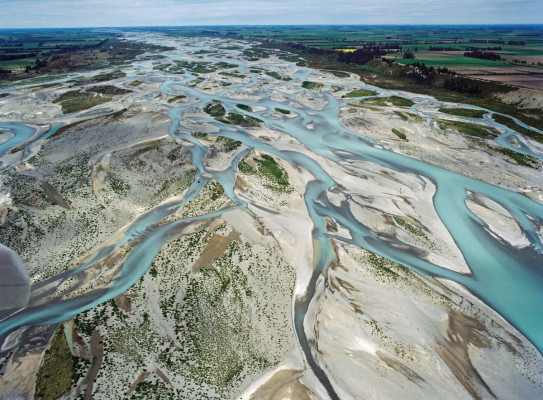
Our freshwater resources are increasingly under pressure from land use, a growing population and climate change.
Climate change means regional councils, iwi and coastal and marine industries will need to manage changing coastal sedimentation, coastal erosion, rising groundwater and salinity in coastal aquifers. Changes in rainfall will affect groundwater recharge, with potential impact across the system.
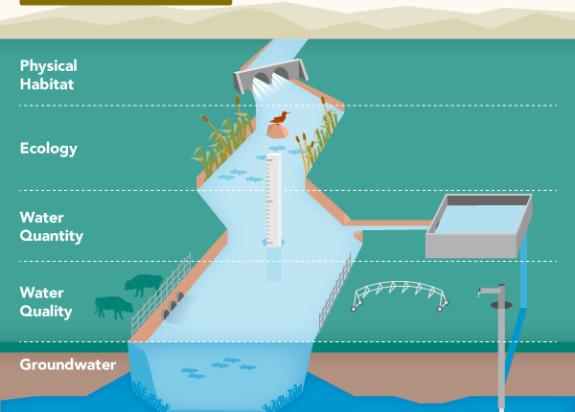
New Zealanders rely on high-quality freshwater stored in underground aquifers. 40% of our potable water is sourced from groundwater, and we don’t yet understand the impacts of changing land use and changing climate on those groundwater reservoirs and systems.
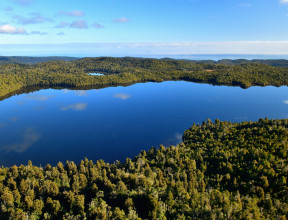
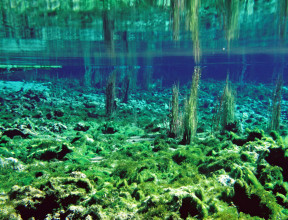
Protecting our lakes is also critical. We’re exploring their current biodiversity and water quality as well as how and why they’ve changed over the past 1,000 years.
Te Whakaheke o Te Wai
The Te Whakaheke o Te Wai (TWOTW) research programme aims to better support water management based on the understanding of flow sources, pathways and lags.
Key questions driving our research
- How will changing climate and land use affect our groundwater systems and impact freshwater security?
- What is the natural state we are trying to manage to? We must decide whether we are trying to restore our climate and environment to pre-industrial levels, to pre-settlement levels or if we are only trying to mitigate the worst impacts. If we chose mitigation, then we must identify and understand how a mitigation approach will impact our way of life.